
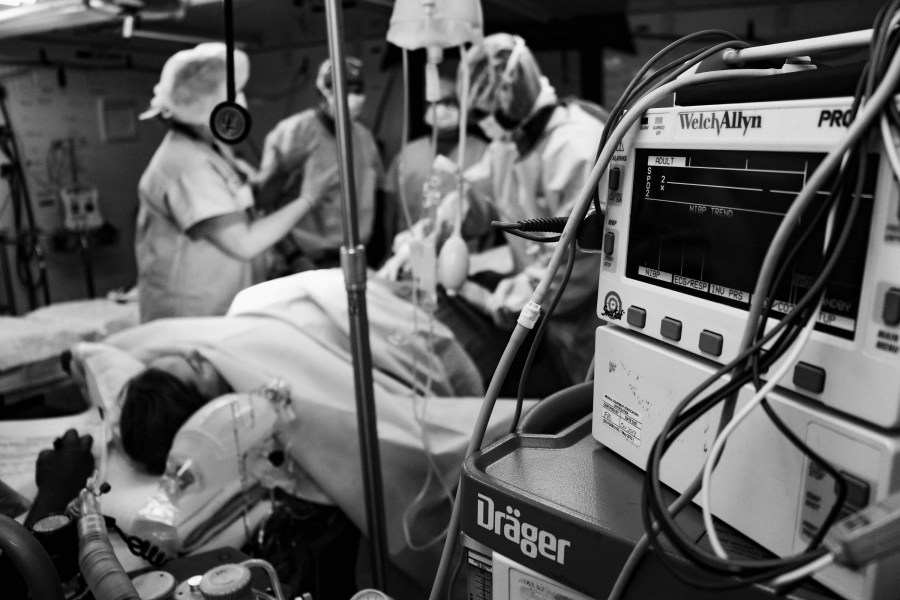
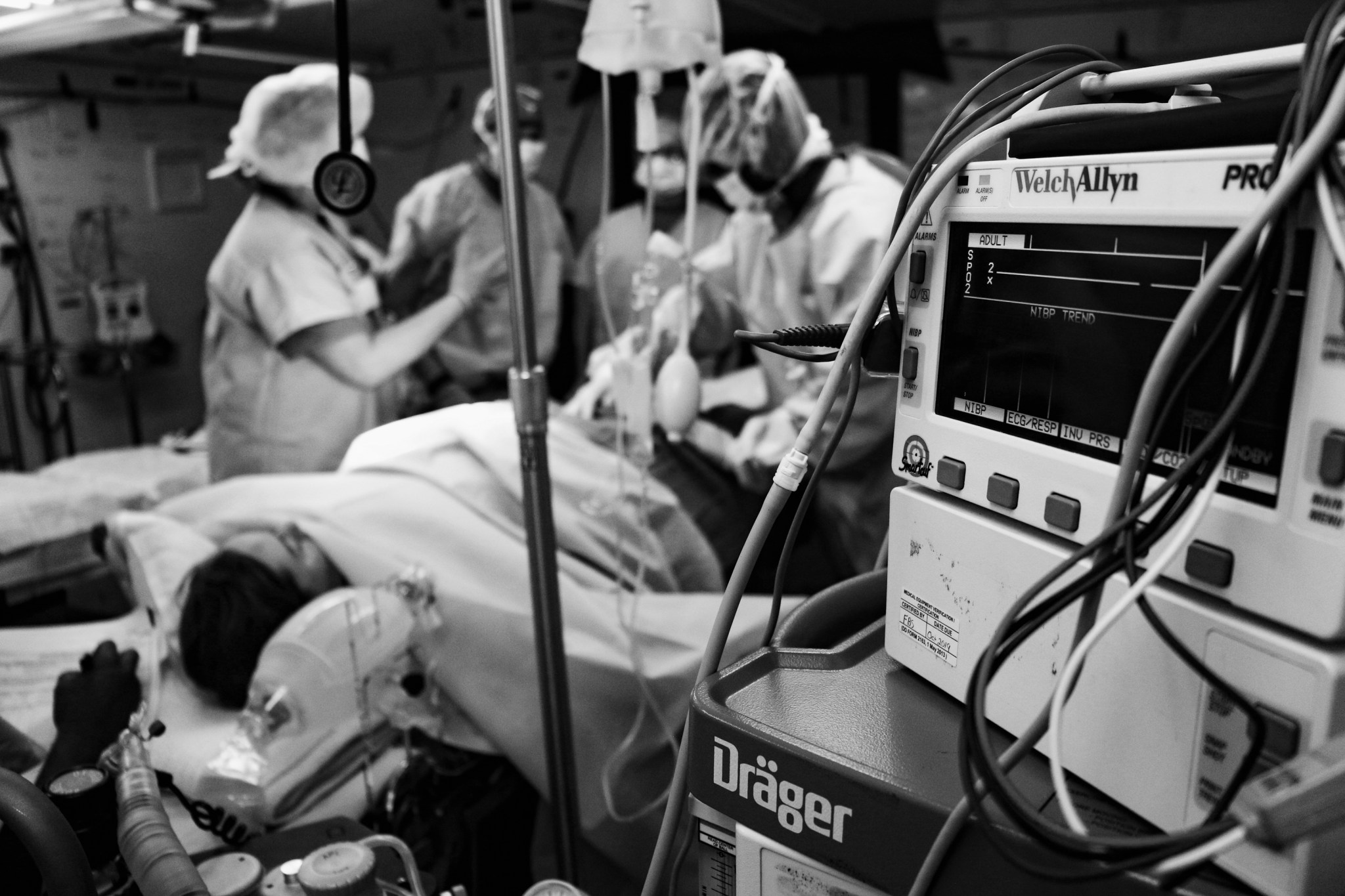
I don’t often post about such matters as this here on the blog, reserving them for the other blogging platform I use, Medium, where I posted this piece a couple of days ago. However, this particular topic is of significant importance to me, so I’m placing the post here to gain maximum traction. Thank you for reading.
(With apologies to Brian Clark, writer of the 1972 television and 1978 stage play of ‘Whose Life Is It Anyway?’)
Whose Death Is It Anyway?
An issue in many lands is the question of who decides when a life may legally be terminated. The Scottish Parliament recently failed to back a law for dignity in dying, illustrating the stark division between political representatives and those who vote for them. In England, the process of a similar Bill has been deliberately stalled to the point where it will never be passed, by members of the unelected, unrepresentative House of Lords. In a democracy, flawed as such systems must be by their very nature, authority derives from ‘the people’ in some form of collective response. The issue then can be determined by who is loudest, who is most influential, who is most respected by the majority.
Our deaths, however, I submit are not a matter for authority. Do our lives belong to anyone other than ourselves? Of course there are interested parties: relations, spouses, partners, lovers. But does the State have rights relating to our death, other than to protect us against crime or misadventure? In a world driven by Capitalism, many different players claim some right over our existence. When profit is the drive, sheer population numbers play a decisive role in whether or not we continue to live and therefore consume.
But the decision about when our lives can end must surely be entirely down to each individual, providing that person has the capacity to reach such a judgment. So, perhaps that is the essential dividing factor that obscures the whole conversation about end-of-life decisions. ‘Is this person capable of making a rational decision about the end of their existence?’ I suggest, if the answer to that question is ‘yes’, the State has no responsibility in relation to the issue. A rational person in possession of their senses should have the right to end their life entirely when they chose. And the State’s only involvement must be to ensure a dignified and painless escape from whatever situation has created such a decision by that individual can be obtained legally.
The fundamental stumbling block for most authorities involved in determining any legislation on the matter is what to do when the person involved is deemed incapable of making a rational decision. For them, if such judgment must be made, it must be by some impartial, respected, external body.
Since this specific issue, whether the individual is capable of making an informed, rational and voluntary decision, divides opinion on the issue of assisted dying, it seems we really need two laws. One, a straightforward definition of capability, devoid of divisive religious input, based entirely on the rational ability of the individual concerned, and without judgment made relating to the cause of that decision to end the individual’s own life. And a separate ruling that provides protection for those people deemed incapable of making such a rational, impartial, decision free from external influence.
Many medical doctors view their role in the end of life as that of maintaining existence, regardless of the quality of that survival. They often respond to questions on this with the meaningless ‘I cannot act as God’ or ‘cause harm’ or something similar. But they ignore the fact that modern medicine has for decades elevated their profession to a point where a previously natural death is prevented entirely by their intervention. It is not uncommon for the medical profession to artificially extend an individual’s existence well beyond what the patient views as acceptable. Thereby committing, I suggest, the very ‘act of God’ or ‘harm’ these doctors so vehemently oppose. Often, this difficult dichotomy is the result of the medical professional’s intention to act in what they see as the best way for the patient, without actually consulting that specific patient, who may have an entirely different view of what is really best for them.
What makes life bearable is for the individual alone to decide and has nothing whatever to do with those in authority when it comes to the end of life. Some people are content to exist as a breathing, albeit aided, being for years after mobility, participation, and even enjoyment have ceased. Others find the prospect of forced continuation of existence in a restricted form unbearable, often to the point that such imposition becomes torture.
The decision to end our own lives must surely be entirely our own if we are rationally capable of making such a decision. The State interferes with such a matter in a role it invents entirely out of self-interest acting on behalf of those who find maximum population a benefit to their commercial endeavours. It is a role we, the voters, have had no say in creating and it should, therefore, cease to exist.
In the final analysis, those people with the proven capacity to make a decision, preferably at a time before their mental ability is diminished by the natural progression of aging, should be allowed to fulfil their wish to die at a time of their choosing and not be subject to a law or ruling that denies them this dignified end when their existence has ceased to have any attraction for them.
Such a system could easily be set up, using recognised legal and medical experts to ensure no coercion or undue pressure is applied to the individual at the time of their declaration. In the UK we already have in place ‘Do Not Resuscitate’ agreements for those with a history of strokes and other life-threatening conditions, established in law by the Human Rights Act 1998. And Living Wills, now known as Advance Decisions, were made legally enforceable after the Mental Capacity Act 2005 came into force in October 2007 serving those individuals who fear the potential results of an accident or terminal illness leaving them no longer capable of making such a decision. The simple step of allowing every person in possession of capacity to make a rational decision to be enacted in the event of accident and/or serious decline in mental ability can readily be introduced to allow those who fear such outcomes to prepare and conduct an end that has dignity and allows their death to occur whilst loved ones are present.
You’ll find the text of Brian Clark’s plays here.

 Stuart Aken
I couldn’t agree with you more, Stuart. Here, we have something called MAID (Medical Assistance in Dying). This is the website: https://www.canada.ca/en/health-canada/services/health-services-benefits/medical-assistance-dying.html
Our version of the House of Lords (here it’s called the Senate) for the most part has had its wings clipped. If they tried to block legislation now I’m not quite sure what would happen but it wouldn’t be good.
There have been attempts to eliminate it entirely but that requires a constitutional amendment with agreement from at least seven provinces/territories representing 2/3 of the country’s population. We’ve fallen short (just barely) more than once but I hope there’ll come a time when we can focus more on some of these domestic issues rather than just focussing on surviving that unhinged, sweaty orange thug and his gang of moronic terrorists.
LikeLiked by 3 people
Thank you, Lynette. The Canadian system is certainly a good start, but it seems the State cannot stop itself from deciding on whether the reason WHY an individual wishes to end their life is valid in law. I suspect this aspect of the attitude stems from religious beliefs. A rational approach would simply accept that a sane person capable of making a decision has their own reasons for ceasing to exist and leave it at that. But I guess that’s a level of State maturity for which we will all have to wait.
LikeLiked by 2 people