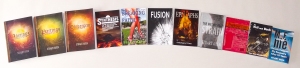


This series aims to help authors express the full meaning and emotional content of their fiction. As writers, we seek to inspire readers with joy, stoke their terrors, romance them with love, overwhelm them with horror, inflame their passions. This set of posts examines how we might influence mood, illustrating how word choice and sentence structure can alter the reading experience. All thoughts and comments are welcome.
Example:
“His unconventional approach shocked her, but she couldn’t tell him. He apologised, but his explanation for his unusual approach only made her more surprised. She wanted to know how he could afford what he was suggesting.”
This passage tells the reader what happened. But there’s nothing to engage the imagination of the reader here and certainly no atmosphere.
How about this as an alternative?
“She’s dumbfounded. Unable to express what she recognises as conventional shock at his presumption.
‘Oh. Sorry. Forgot the conventions there for a moment. Extraordinary is as extraordinary does. We’ll have a few more dates before we go. Tonight we’ll meet at that bistro across the road. Seven would be best. Never like eating too late. I know the owner, so no problem getting a table.
‘You can’t afford a painter. How will you afford a meal there and a fortnight in Santorini?’ It’s a lame question but she can think of nothing more on the spur of this extraordinary moment.”
This passage is from ‘Walking Under a Rabbit’s Foot’, a love story in the anthology, ‘Ten Love Tales’. It’s a short exchange between a young man and woman who’ve had a previous date that failed to go anywhere for reasons explained in the story. Here, they’ve met up again and the young man’s decided on a different approach to win the girl. The language was chosen to reflect the intellect and character of the two people: a bookshop owner and a recent graduate from university. The story is written in the present tense to make the experience more immediate for readers.
If nothing else, I hope this series will enhance our writing with words that more precisely reflect what we’re trying to convey to readers.
I prefer to use Roget’s Thesaurus when editing; the 1987 edition. It’s within easy reach on my reference shelf. Other books of word choices, which I sometimes consult when the apposite word evades me, reside alongside it. But, first, I try to glean that ‘right’ word from the teaming void within my skull: it’s good mental exercise and trains the brain to seek and find the right word in the future.
A good thesaurus provides alternatives for the idea of the word you’re seeking, but not all the suggestions are true synonyms. Always consider context by placing it in the sentence and making sure it actually makes sense.

 Stuart Aken
Excellent. Sadly, I suffer from verbosity.
LikeLiked by 1 person
Can’t beat a bit of verbosity, DM, especially when couched in golden words the way you do!
LikeLike