
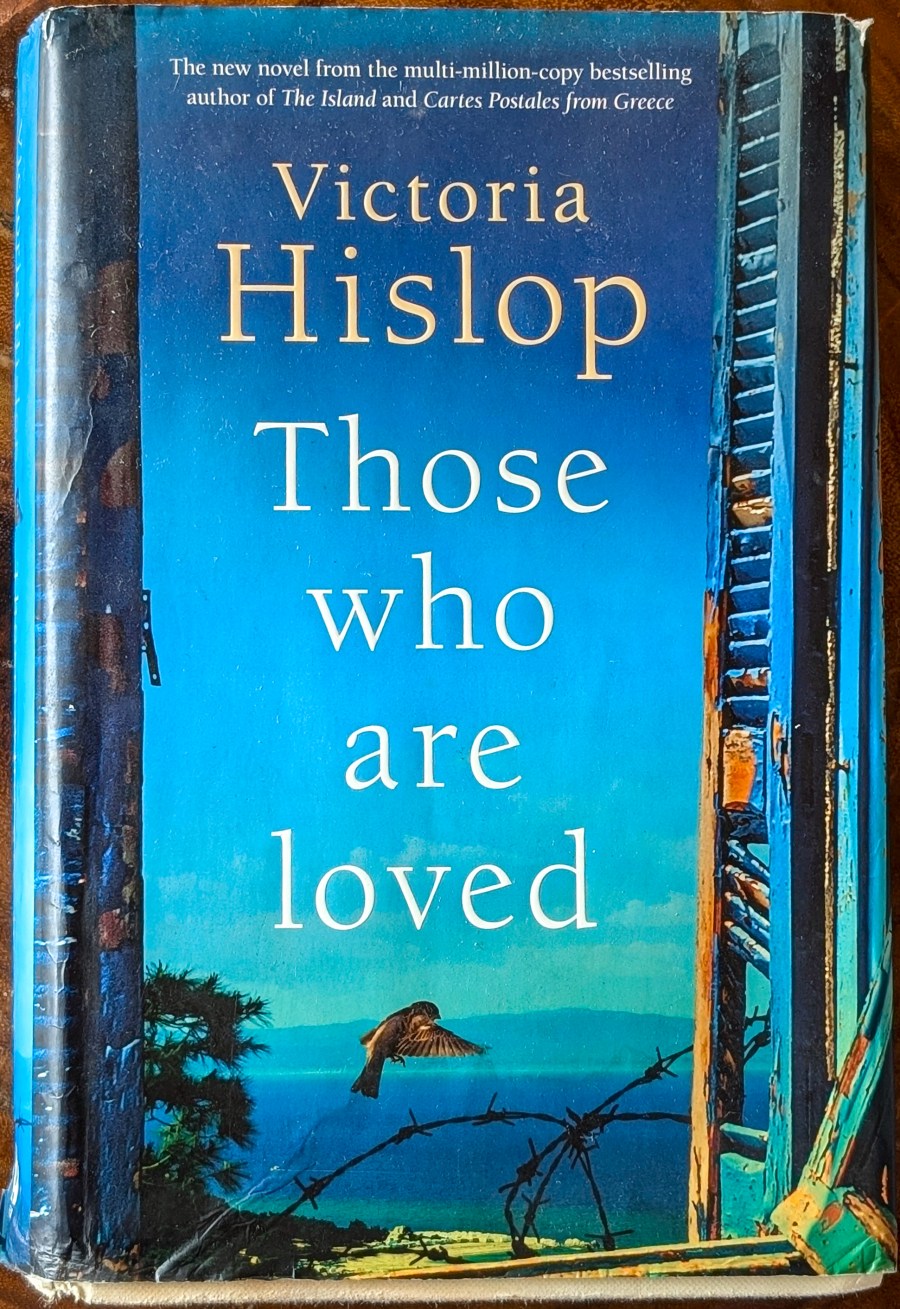
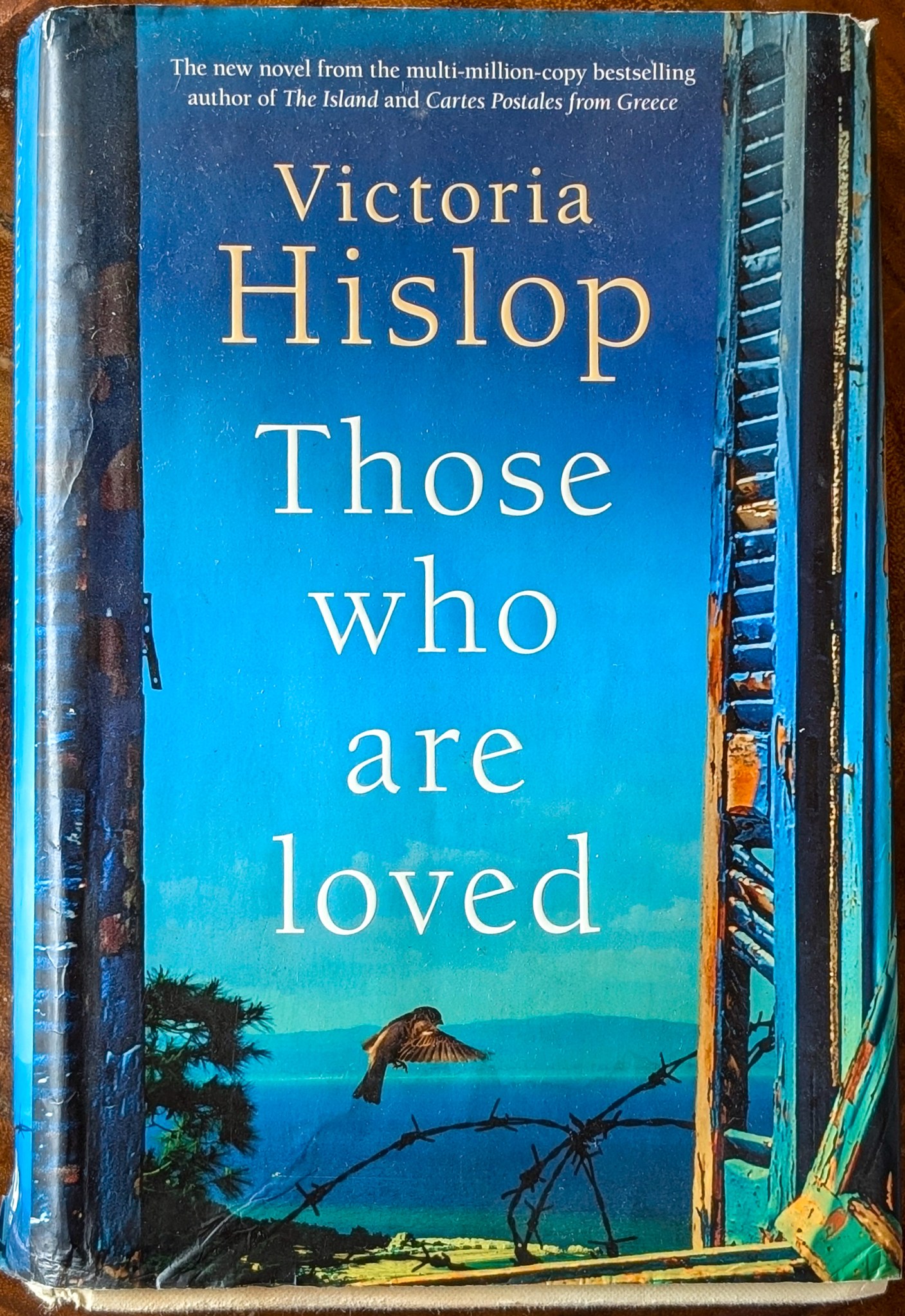
Set in Greece during a period beginning in the 1930s, this novel looks at the political, social, and military history of this popular holiday destination through the eyes of an extraordinary Greek woman called Themis.
We begin shortly after her birth and follow her through life as she learns about family, love, politics, and the brutality of fanatics on both sides of the political divide.
I started to read this book whilst holidaying in Crete. It was one of a number of books left by guests at the hotel in which I stayed. I’d finished the three books I’d taken to read and left those there. It felt like a fair swap for me to bring this one home with me: at 480 pages, it was a long read!
I’d read ‘The Island’ by Victoria Hislop some years ago. A book set on Crete, dealing with the history of the Leper Colony established on the small island of Spinalonga, just off the northeast coast of Mirabello Bay in the east of Crete. That book was well written, persuading me the one I’d acquired would be worth reading.
It was!
This is not an easy or comfortable read. It looks at the conflict between the Greek Communists and their Fascistic right-wing opponents and at the military juntas who took over the country for a while. None of these rulers comes out with credit. The author’s research has informed her of the excesses, the violence, the prejudices, the extremes posed by all these rulers on a land that was born into and invented democracy and was then almost destroyed by its lack.
Themis is initially an innocent, naïve and bullied by her older sister and wishing to be friends with both her right-wing and her left-wing brothers. The youngest child in the family, and a girl, she is rarely taken seriously in her early years, other than by the grandmother who takes care of the family when the mother is institutionalised and the sailor father is mostly absent.
I won’t tell you the rest of the story. But Themis illustrates the very real difficulties faced by anyone who is honest and caring when they live under those different forms of dictatorship. Her life is rarely easy and, at times, her subjugation to terror and cruelty is difficult to bear for the reader. But her courage and determination to do what is right forces the reader to continue her story through to the very end, which is, I’m pleased to record, a positive one.
You will find so much love here, so much fear, so much bullying by so-called leaders, so much cruelty caused by a mixture of ignorance, intolerance, and simple fear of reprisals.
I stopped reading it before bedtime, as much of the story could lead to nightmares. But I’m very pleased I read the book. I’ve learned a good deal about the role of superstition, tradition, ignorance, and the abuse of power on a people who simply want to live normal lives of love and family. And I now feel I understand much about the history of Greece during the period covered by the narrative.
It’s a very well written account, full of insight, understanding and compassion from a writer who manages to occupy the minds and hearts of all her various protagonists and antagonists. If you get the chance, read it. You will leave the book all the better able to understand much about Greece and its extraordinary people.
Discover more from Stuart Aken
Subscribe to get the latest posts sent to your email.


