
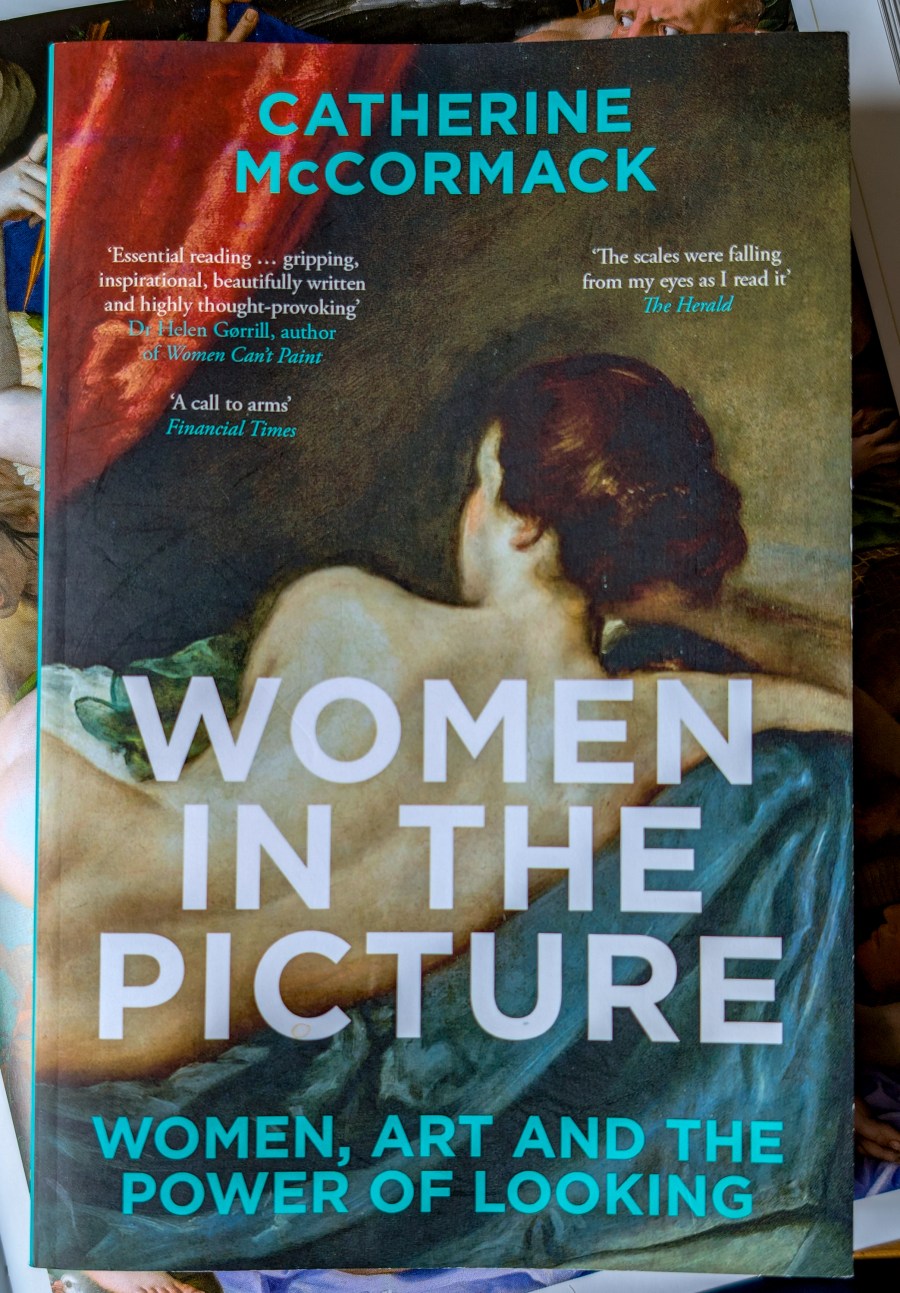
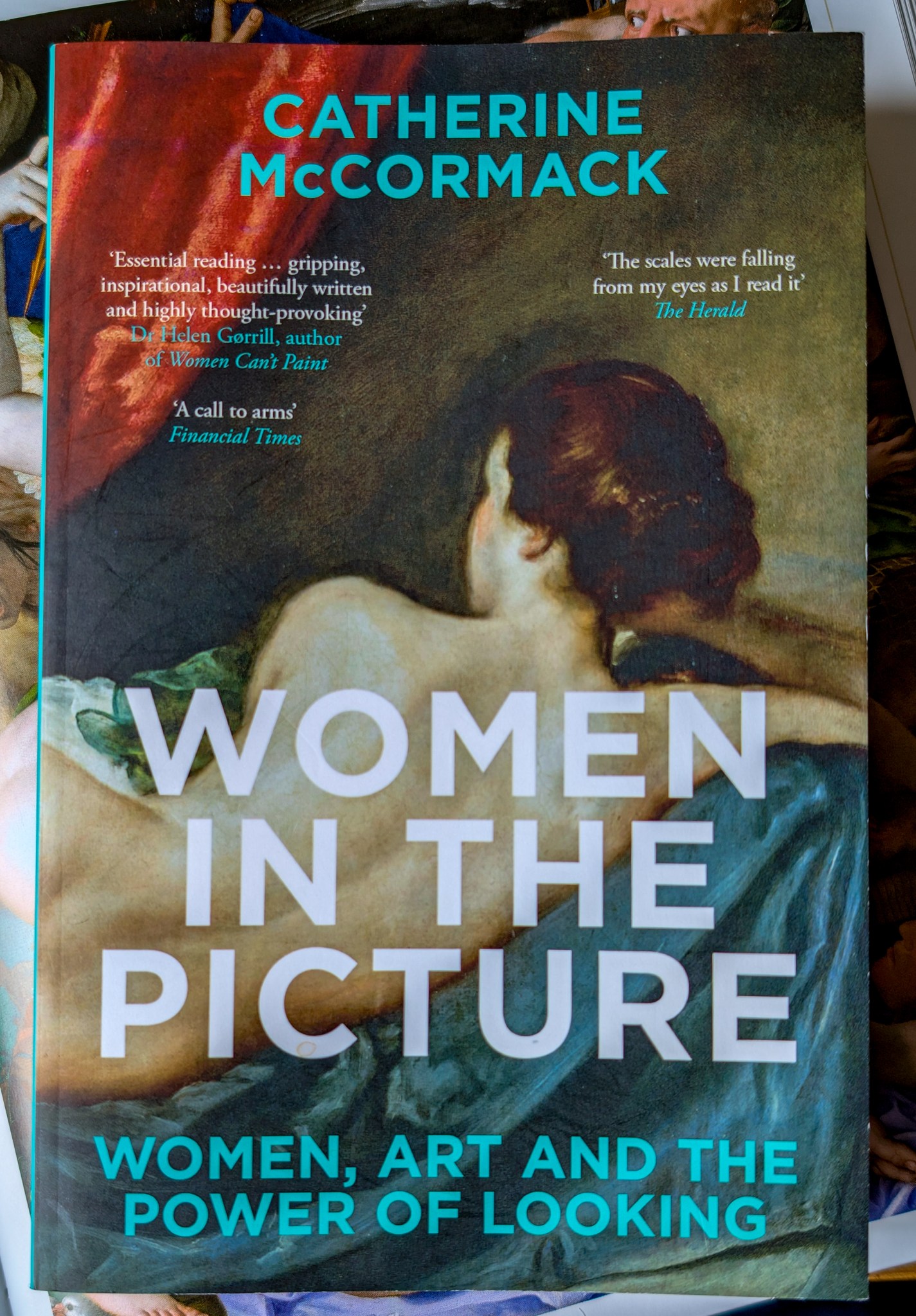
Subtitled ‘Women, Art and the Power of Looking’, this book entered my reading list as a resource for research for a novel I’m writing.
It has filled that requirement far better than I ever imagined. The breadth and depth of research the author has conducted to compile this treatise on the misogyny and injustice dealt out to female artists over the centuries is astounding. I have learned about aspects of art, society, history, and the oh-too-respected ‘classics’ of Greek and Roman origin that have given me much cause for consideration and thought.
I have marked 54 of the 231 pages as sources to refer to when I edit my novel, because they contain information relevant to its themes and subject matter.
But all that apart, the book is an excellent source of information about the place of women in art both as subject and creator. As models, they have been sometimes willing, sometimes persuaded, and too often forced to pose for male painters and sculptors. As creators, they have been vilified, excluded, threatened, had their own work pirated and claimed by inadequate males, and been generally prevented from displaying their works, which are every bit as worthy as those of their male counterparts, often more so.
Until recently, most of the world’s major art galleries have treated women’s art as something lesser, something unequal to the quality of their male exhibitors, even when the art of the females has been better than those of males.
Unjust social laws, distorted morality, and the blinkered outlook of those in charge of artistic output have prevented the public from seeing some wonderful pictures and sculptures over the centuries.
In regard to the depiction of women on canvass, in stone, bronze and clay, there has been a deliberate intention to promote only the sexual aspect of the female sitter, display her as a fantasy, willing, coerced, or forced, for the benefit of wealthy men, who so often commissioned such works. And more recently for the benefit of ordinary male viewers at so many galleries. This bias has had the unfortunate effect of devaluing women in general, depicting them as toys, playthings, the willing dolls of male dreams. Subjugation, religious demonisation, and rape have been displayed as the result of female wantonness instead of the overbearing male lust these things truly are.
This book provides a point of change in the way we look at women in art both as subject and as creator. I hope it will be added to the list of books listed by those running university courses on art history, so that the truth can be taught to future scholars.
I, for one, feel intensely grateful to the author for educating me in so many ways.
[Any review is a personal opinion. No reviewer can represent the view of anyone else. The best we can manage is an honest reaction to any given book.]

 Stuart Aken